Great taste and fresh salads. Side dishes also tasty. However, soft cream wasn’t available on that day.
Overview
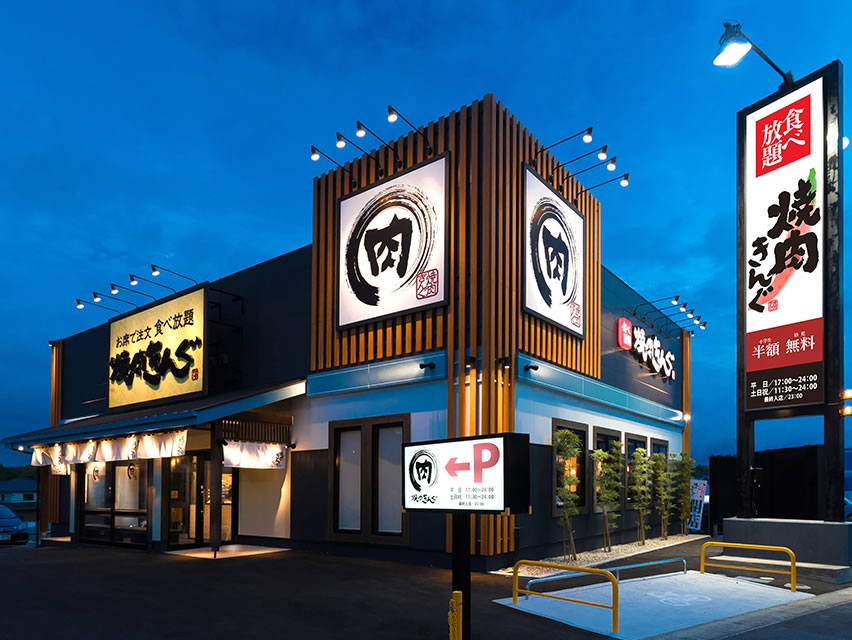
Walking into Yakiniku King in Beppu feels a bit like stepping into a well-oiled food ritual that locals clearly trust. The location at 9-13-2 Mochigahamacho, Beppu, Oita 874-0924, Japan, is easy to reach, especially if you’re coming from the seaside area or nearby hotels. On my last visit, I arrived just after sunset, and the place was already buzzing with families, students, and travelers who seemed to know exactly what they were there for: grilled meat done right.
The menu is built around the Japanese yakiniku style, where diners grill their own cuts at the table. What stands out immediately is how structured the ordering process is. You choose from set courses or individual items, and the staff explains the timing clearly so nothing feels rushed. I went with a standard all-you-can-eat course, which is popular according to several Japanese consumer dining surveys that show buffet-style yakiniku chains consistently rank high for customer satisfaction and value. Within minutes, thinly sliced beef short ribs, marinated pork, and neatly plated vegetables started arriving.
There’s a real method behind the experience. Each table has a built-in smokeless grill, and the meat arrives pre-cut to optimal thickness. This isn’t random. According to food science research from Japanese culinary institutes, thin cuts grilled quickly at high heat help retain moisture and umami while reducing flare-ups. You can taste the difference. The beef caramelizes without burning, and the pork stays juicy even if you’re not a grill expert. The dipping sauces, especially the garlic soy-based one, balance sweetness and salt in a way that works across different meats.
One thing I appreciated was how transparent the restaurant is about sourcing and preparation. Staff members openly explained that meats are centrally prepared to maintain consistency across locations. Large chains in Japan often follow strict internal quality audits, and organizations like the Japan Food Service Association have long highlighted how standardized processes improve food safety and taste reliability. That shows here. Every plate looked identical to the last, which is reassuring when you’re ordering multiple rounds.
The atmosphere is casual and loud in a good way. You hear grills sizzling, people laughing, and servers moving quickly but politely between tables. Reviews from both locals and tourists often mention how friendly the service feels despite the volume. During my visit, a server noticed we were unsure about cooking times and casually demonstrated how to flip the meat once the edges curl slightly, a small tip that made a big difference.
Beyond meat, the menu includes rice bowls, soups, kimchi, and simple desserts. The side dishes aren’t trying to steal the spotlight, but they do their job. The kimchi had a clean ferment flavor without overpowering spice, and the rice was perfectly steamed, which matters more than people think when you’re eating grilled food. As one diner nearby put it, the grill does the talking here, and that sentiment felt accurate.
It’s worth noting that peak hours can mean a wait, especially on weekends. This isn’t unique to this location, and it’s a limitation shared by many popular yakiniku spots in tourist-friendly cities like Beppu. Still, the turnover is efficient, and waiting areas are organized. From a trust standpoint, pricing is clearly displayed, orders are confirmed digitally, and billing is straightforward, which reduces the awkward surprises that sometimes happen in all-you-can-eat setups.
What stays with you after the meal isn’t just fullness but the sense that the system works. From menu design to grill technology to service flow, everything feels intentional. For anyone curious about Japanese barbecue culture without diving into overly formal dining, this place offers a grounded, reliable experience that earns its reputation one table at a time.
Good to know
Service options
✓ Dine-in ✓ Delivery ✓ TakeawayHighlights
✓ All you can drinkPopular for
✓ Lunch ✓ DinnerAccessibility
✓ Wheelchair-accessible car park ✓ Wheelchair-accessible entrance ✓ Wheelchair-accessible seating ✓ Wheelchair-accessible toiletOfferings
✓ Alcohol ✓ All you can eat ✓ Beer ✓ Cocktails ✓ Coffee ✓ Happy-hour food ✓ Small plates ✓ Spirits ✓ WineDining options
✓ Lunch ✓ Dinner ✓ Dessert ✓ Seating ✓ Table serviceAmenities
✓ Smoke-free place ✓ ToiletAtmosphere
✓ Casual ✓ TrendyCrowd
✓ Family friendly ✓ Groups ✓ LGBTQ+ friendly ✓ University studentsPlanning
✓ Lunch reservations recommended ✓ Dinner reservations recommended ✓ Accepts reservations ✓ Usually a waitPayments
✓ Credit cards ✓ au PAY ✓ dBarai ✓ PayPay ✓ Rakuten Pay ✓ Transit IC cards ✓ V-Money ✓ Credit cardsChildren
✓ Good for kids ✓ Good for kids birthday ✓ High chairs ✓ Kids' menuParking
✓ Free parking lot ✓ ParkingPhotos
1 / 4
Location
Reviews
- No ratings yet 491 reviews
Good experience for us to have buffet Yakiniku. They have few sets to choose. The staffs also very helpful to explain to us the sets and price. Pack place and the best is to go early. Will be back
Great all-you-can yakiniku restaurant! Good food and fun for the whole family. One quite unique thing are the various heated dips that come with some orders. You can melt cheese or a butter sauce in tin cups on your grill. It adds a really nice flavor! Try the tontoru with cheese; you won’t regret it!
Fresh, delicious food, grilled with fragrant fire from the grill. Full with a special meal Think of the price per person as worthwhile.
There is much to select. We took the premium set, it was really good. A bit expensive but totally worth it.
I had a good time having grilled meat with my family. The staff is helpful. There is a free parking slot outside.